
How to Integrate Smart Outdoor Shades With Home Tech
Modern homeowners are seeking more comfort, efficiency, and convenience in every room and outdoor space. That’s why smart outdoor shades are becoming a staple for those who value seamless comfort and enhanced home automation for outdoor spaces.
From blocking the blinding glare of the midday sun to providing blackout shades for evening privacy, today’s motorized shades deliver advanced features and flexible control right at your fingertips.
What Are Smart Outdoor Shades?
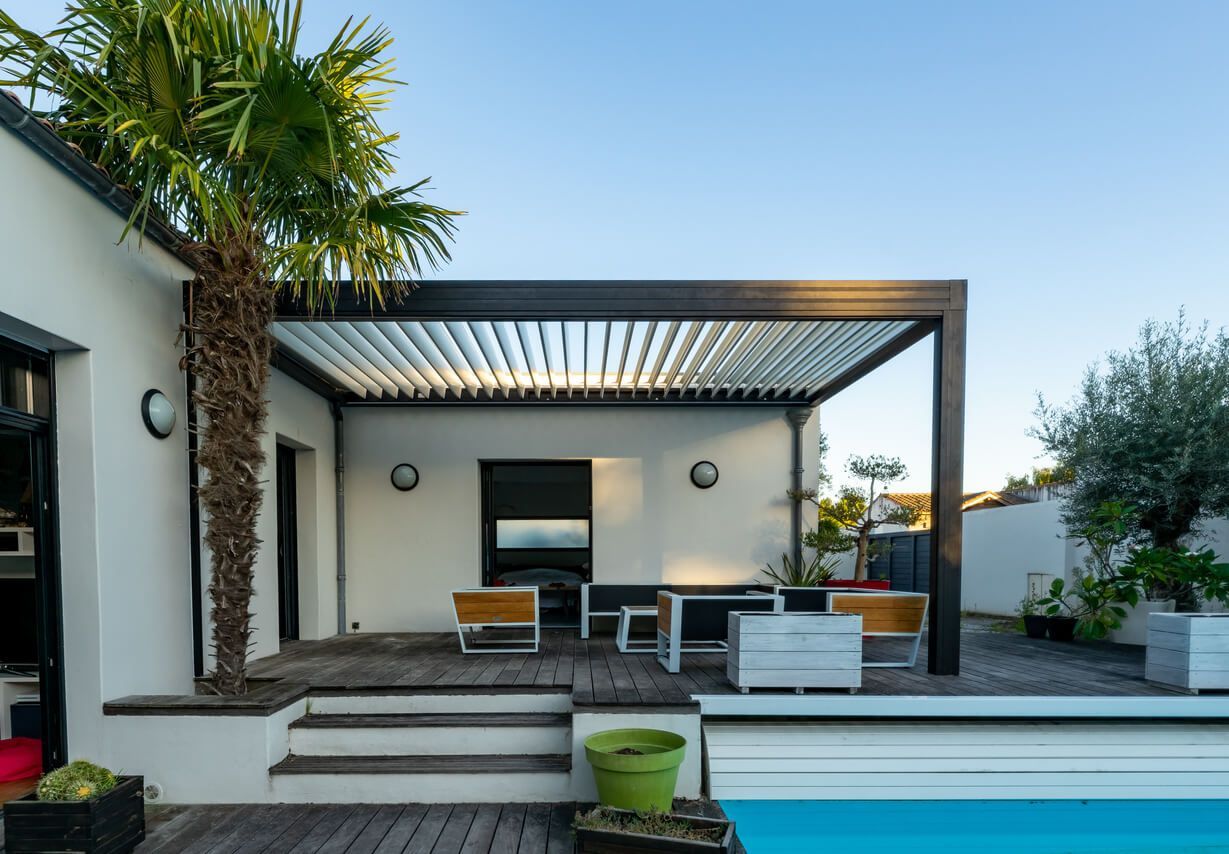
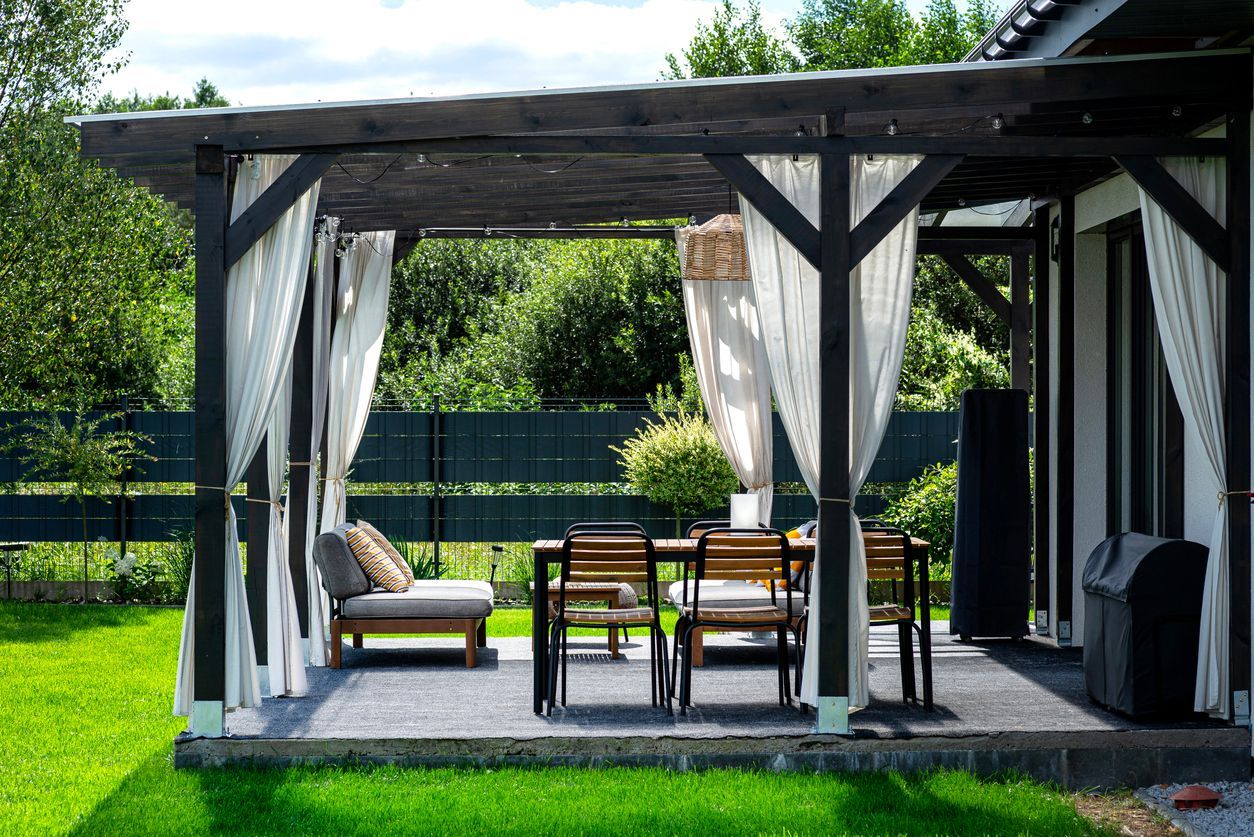
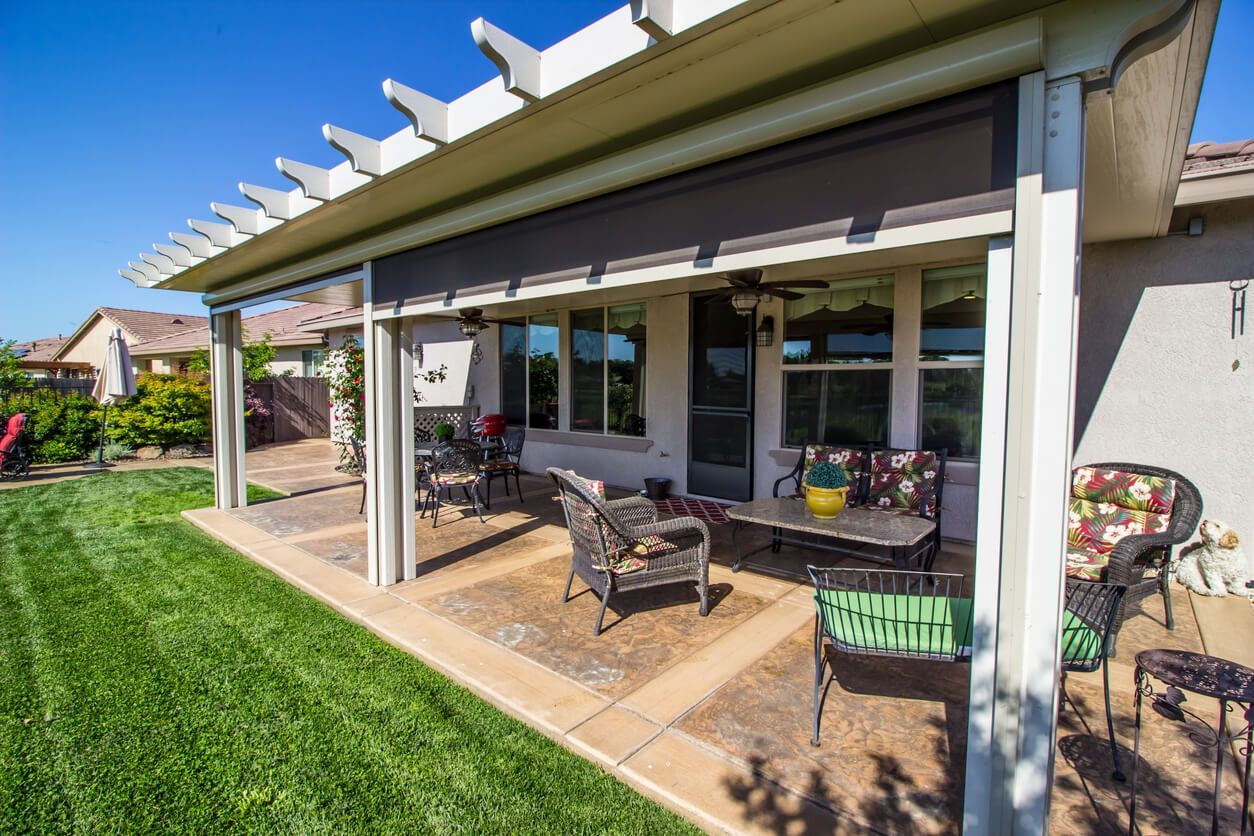
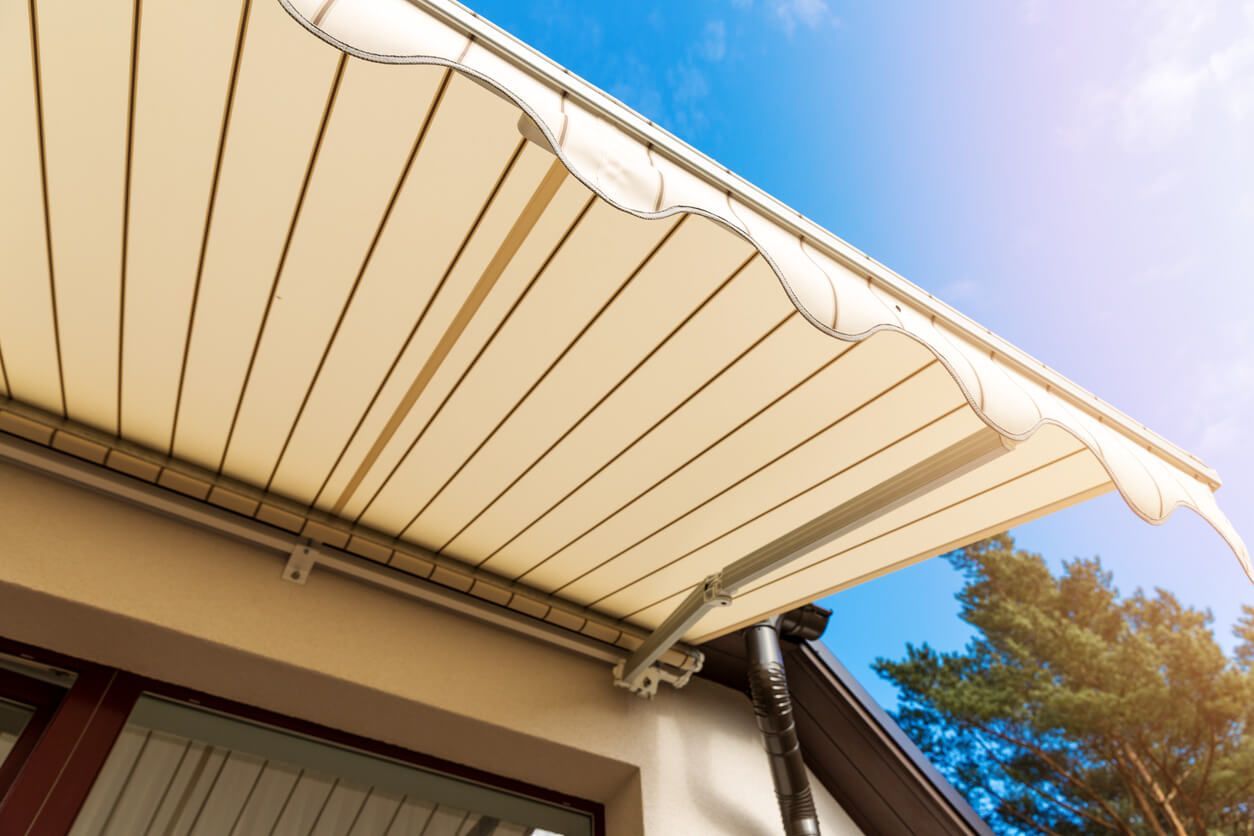
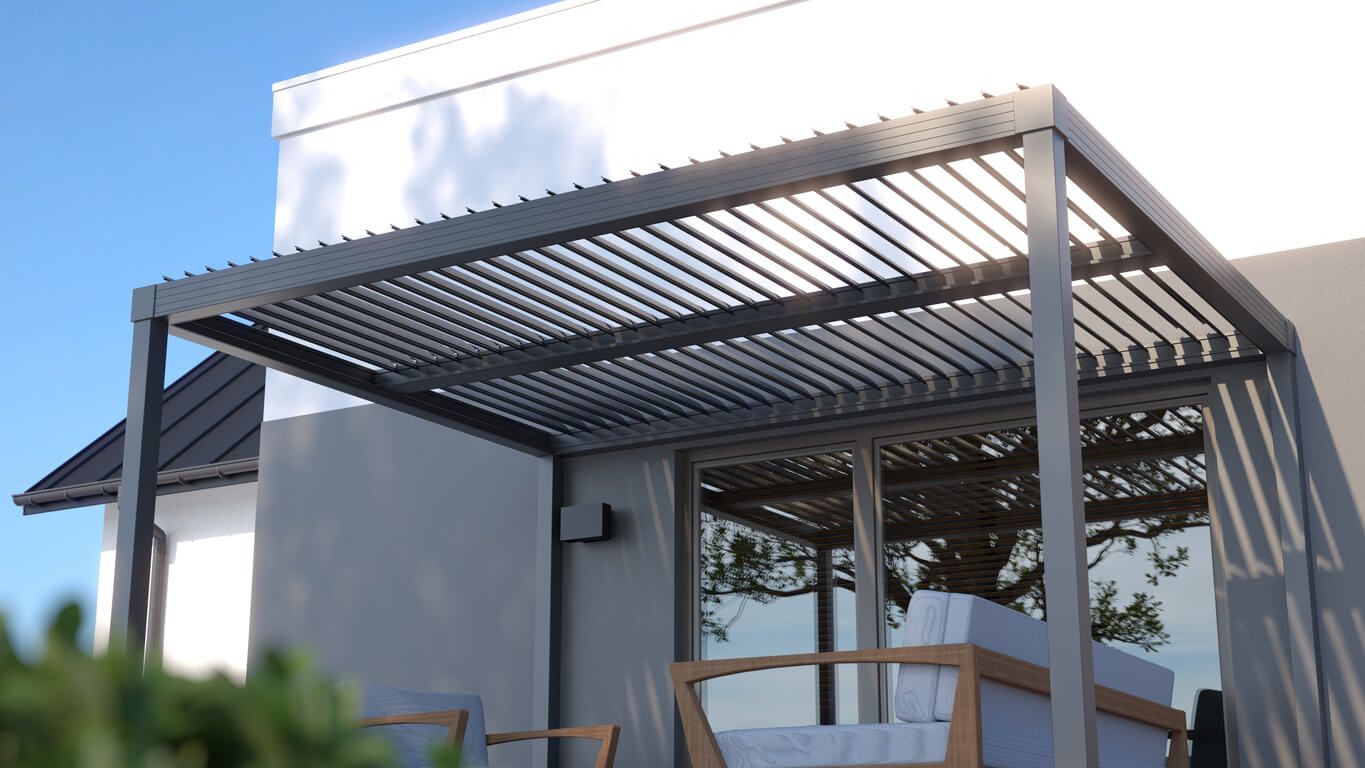
Smart outdoor shades are advanced window treatments created for use in outdoor areas like patios, decks, and sunrooms. Constructed with durable materials and weather-resistant fabric, these can be motorized and operated using a remote control, smartphone, or other compatible devices.
Unlike traditional shades, these systems are equipped with shade motors that allow you to adjust the desired height, whether you opt for elegant dark brown roller shades or a more subtle design. The motor enables automation, remote control, and seamless integration with smart home systems, offering a range of motor options to suit various needs. You can program your shades to open with the morning breeze or close as the afternoon heat intensifies, providing protection from excessive sunlight and keeping your space cool.
What Are the Benefits of Smart Shades?
Here are some key benefits that make smart outdoor shades a valuable addition to any modern living environment:
- Convenient Operation: Smart shades can be controlled remotely via smartphone, tablet, or remote control, eliminating the need for manual cord pulling or blind adjustments.
- Enhanced Privacy: Schedule and control smart patio shades remotely to maintain privacy even when away.
- Protection from Sun Damage: Smart shades block harmful UV rays and reduce blinding glare, protecting your furniture and outdoor furnishings.
- Integration with Home Automation: These shades are compatible with various platforms, including Amazon Alexa, Google Assistant, and Samsung SmartThings, enabling voice commands and automation.
- Customizable Schedules: You can create personalized schedules for your shades to open or close at specific times automatically.
- Improved Safety: Motorized shades eliminate dangling cords, reducing hazards for children and pets, and can simulate occupancy when you’re away.
- Aesthetic Appeal: Available in various fabrics and colors, including dark brown roller shades, smart shades offer smooth, quiet operation with hidden hardware.
- Durability and Weather Resistance: Designed with sturdy hardware and weather-resistant fabrics, these shades withstand sun, wind, and rain.
- Flexible Power Options: Smart shades are available in battery-powered or plug-in models to suit various installation needs and locations.
By embracing these benefits, smart outdoor shades not only improve your daily living experience but also add value and sophistication to your home environment.
Features That Make a Difference
Whether you prefer smart blinds or classic roller shades, the right system offers not just timer functions but also voice-activated shades, expanding your options for hands-free comfort. Here are popular features to look for:
- Motorized Blinds and Shades. Enjoy the convenience of controlling shades with the push of a button—there is no need to pull cords or manually operate the shades.
- Remote Control and Connectivity. You can easily operate your shades using a remote control, smartphone, or tablet connected to your home network. Many smart shades and motors plug into power outlets or hubs, providing reliable operation and easy setup.
- Single Channel or Multi-Channel Controls. Select a single-channel system for one set of shades or a multi-channel remote to control multiple rooms or zones.
- Custom Schedules and Timers. Create schedules that allow shades to open with the sunrise or close to prevent unwanted glare during peak hours.
- Natural Voice Commands. For hands-free convenience, use intuitive voice commands, such as “close shades at sunset” or “raise blinds halfway. "
- Blackout and Light-Filtering Fabrics. Choose from blackout shades to completely block blinding glare, or lighter fabrics to let in a soft, diffused light.
How to Choose the Perfect Smart Outdoor Shades
Selecting the right motorized blinds or roller shades for your outdoor space involves more than just color. (Though rich, dark brown hues pair beautifully with natural exteriors!) Key considerations include:
- Compatibility. Make sure your shades are compatible with your existing home automation system and smartphone.
- Power Source. Shades can be plugged into a power cord, or opt for battery-powered models for flexible installation wherever access to an outlet or wall is limited. Certain models are built for simple DIY installation, featuring easy-to-follow mounting steps and requiring only basic tools.
- Range and Connection. Make sure your remote, phone, or tablet communicates reliably throughout your outdoor area; maintain a strong home network connection.
- Durability. Sturdy construction, high-quality fabric, and weatherproof hardware help your investment withstand outdoor conditions.
You can also choose optional covers or valances to hide the top of the window treatment and enhance the look of your outdoor shades.
How to Install and Integrate Your Shades
Step 1: Installation Basics
Installing smart shades is straightforward. Most systems come equipped with detailed instructions and necessary hardware in tidy boxes. You’ll typically need to:
- Mount the shade brackets on your wall or ceiling.
- Attach and hide the power cord for a clean look, or opt for battery operation.
- Secure the shade and operate the motors smoothly.
Step 2: Connecting to Home Automation
Once installed, connect your shades to your home automation system. Many models allow you to pair devices using a smart hub or directly through your home network. Most modern shades can connect to:
- Google Assistant or Google Home
- Amazon Alexa
- Samsung SmartThings
Seamless smart shade integration allows you to manage your shades alongside other smart home devices using a single app or hub.
Step 3: Customizing Control and Automation
Set up the ability to operate shades with your phone, tablet, or remote control. You can create schedules, for example, closing shades for privacy after sunset or opening them in the morning to let in natural light. Use natural voice commands like, “Hey Google, lower my patio shades,” or, “Alexa, set the outdoor blinds to 50%.”
Boost Your Home’s Style and Efficiency: Call Shade Doctor Now!
Investing in smart outdoor shades enhances comfort, privacy, and energy efficiency in your home. Motorized blinds and roller shades with voice control, timers, and compatibility with platforms like Google Assistant, Amazon Alexa, and Samsung SmartThings make managing your environment effortless. Explore the wide variety of window coverings available to fit any style or need, and reach out to our smart shade specialists for personalized assistance with selection and installation.
At Shade Doctor, our team specializes in helping you find and install the perfect smart outdoor shades tailored to your unique space and lifestyle. With years of experience, our experts provide personalized advice, demonstrate products hands-on, and professionally install smart outdoor shades to integrate seamlessly with your existing home technology.
Contact us today to schedule a consultation or stop by our office to see our wide range of options in action. Your comfort and convenience begin with Shade Doctor.