

Blog
Outdoor solar shade openness comparison guide. Learn how openness affects UV protection, view, and privacy to choose the best option.
How much do motorized patio shades cost in Texas? See real prices, cost factors, and what homeowners can expect before installing.
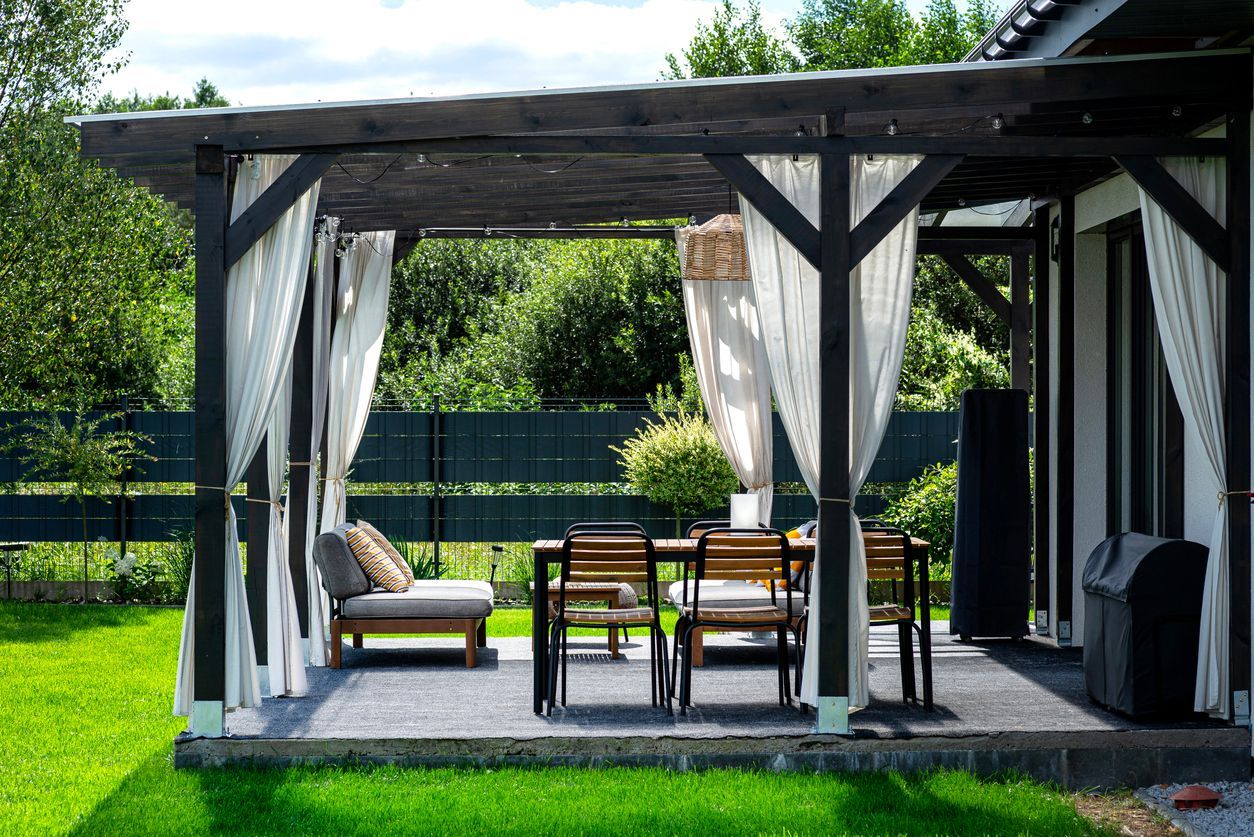
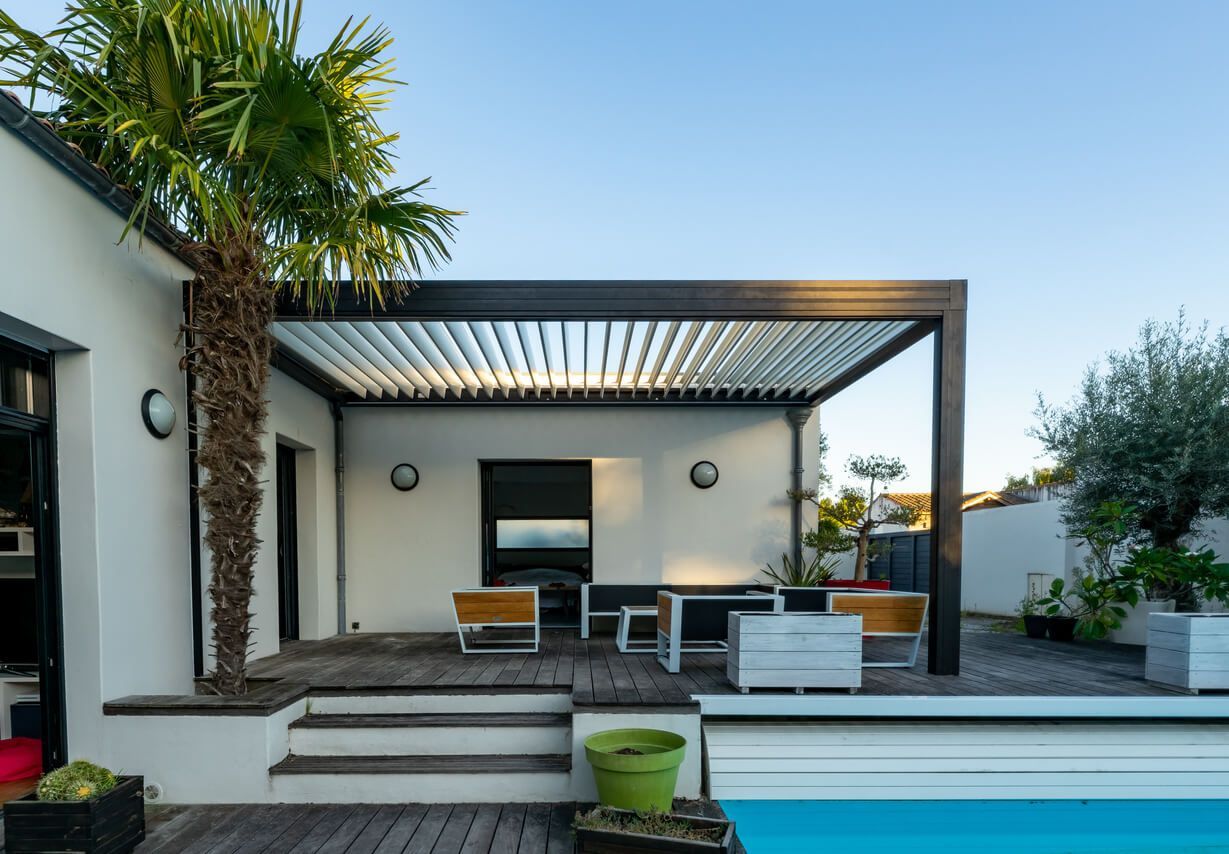
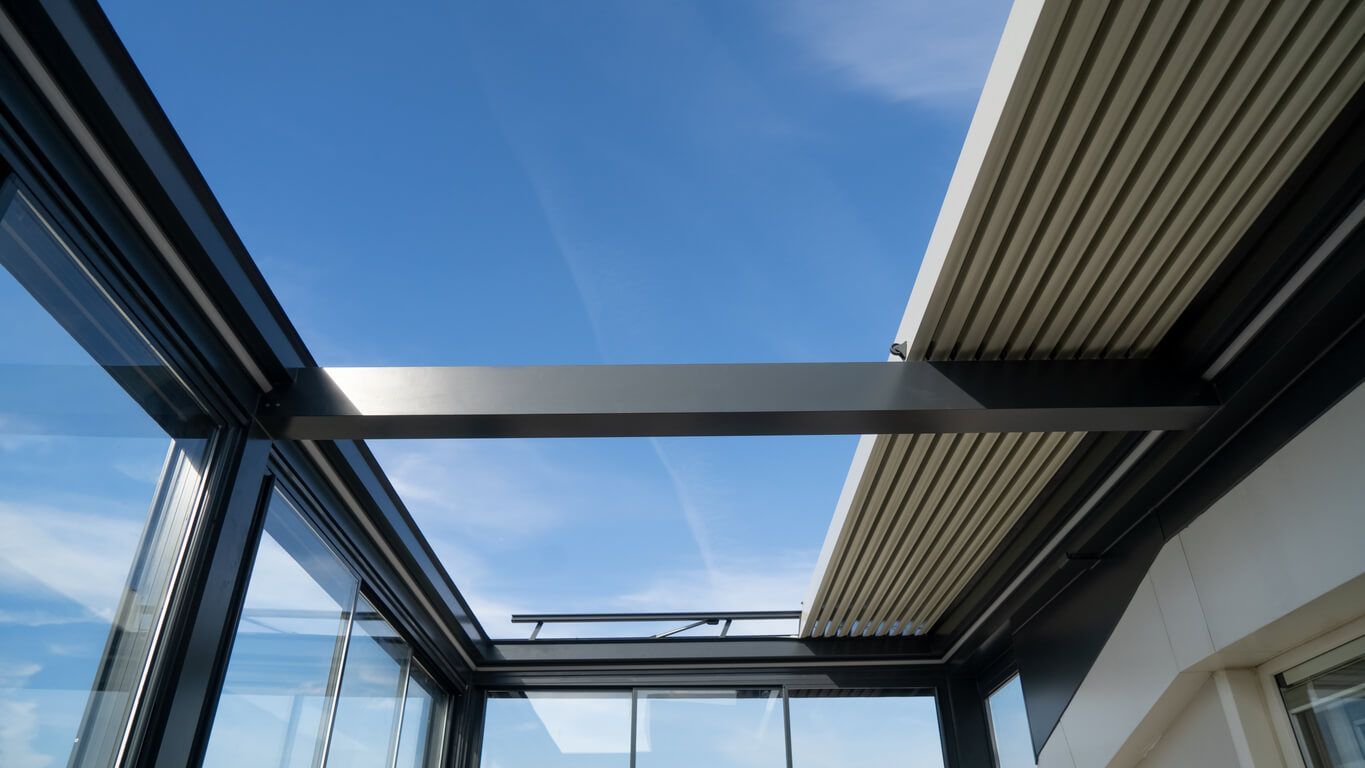
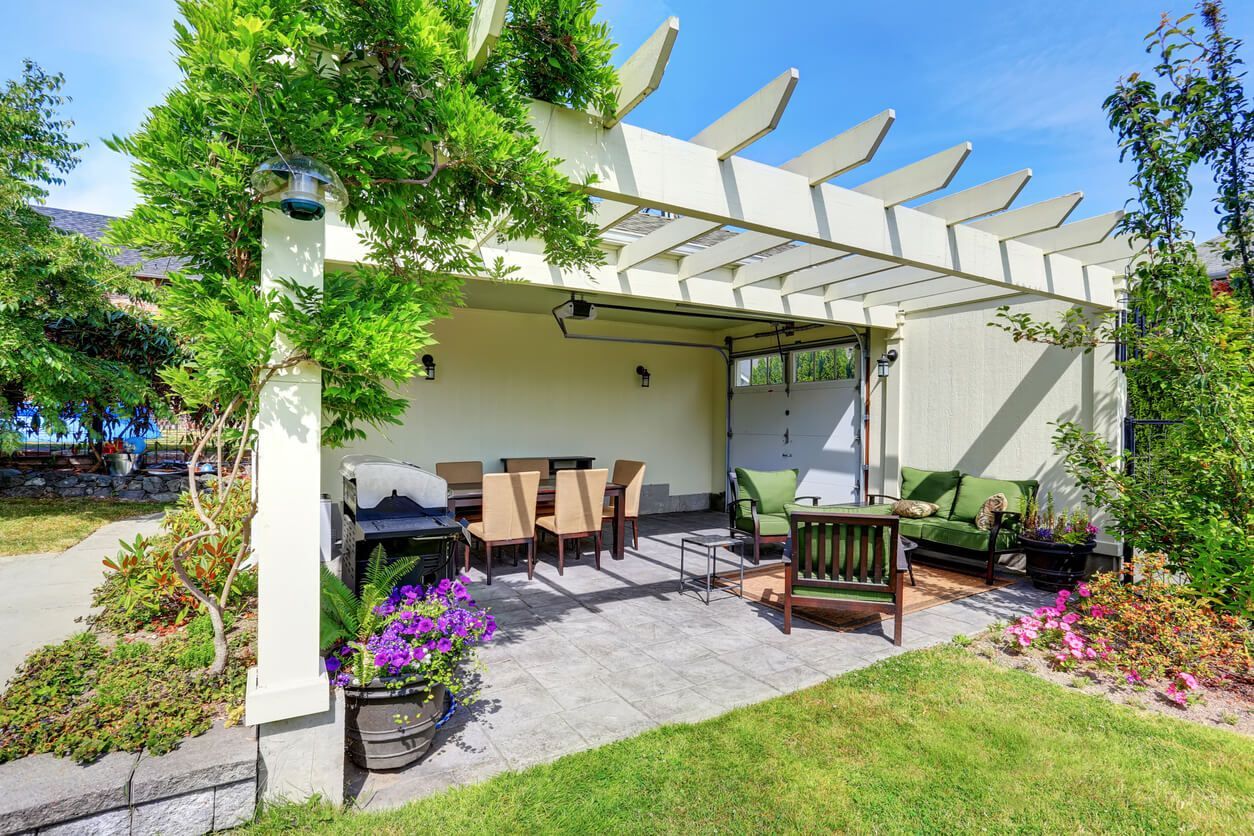
Are you planning to upgrade your outdoor space and torn between gazebos vs. pergolas? Both outdoor structures excel at enhancing your backyard oasis, but they serve different purposes and offer distinct features. Understanding the key differences between a gazebo and a pergola is the first step toward creating the ideal outdoor living space for your home. Let's explore the main differences between gazebos and pergolas, including design, weather protection, cost, and versatility, to help you decide. What Is a Gazebo? A gazebo is traditionally a freestanding structure with a full roof, typically round, octagonal, or rectangular. Gazebos feature a solid or fully enclosed roof, offering full protection from the elements, such as rain and harsh sun. Many gazebos are designed with one or more sides enclosed with walls, railings, or screens, making them great for year-round use. In fact, public parks and grand gardens often feature gazebos as focal points for relaxation or gatherings. Features of a Gazebo: Enclosed roof/solid roof/fully enclosed roof providing shelter from rain, sun, and inclement weather Often includes built-in seating for convenience and comfort Can be larger in scale (think “size gazebo” for bigger gatherings or adding a hot tub underneath) More likely to be found as stand-alone structures in gardens and parks Offers more protection from the elements, making it suitable as a cost-effective way to extend your living area outdoors during all seasons Require permits depending on local building codes and size What Is a Pergola? A pergola , on the other hand, is typically built with columns or posts supporting an open slatted roof (sometimes called open roofs). Pergolas feature open slatted roofs offering partial shade and can include retractable canopies, while gazebos have fully enclosed roofs for complete protection. Many pergolas are generally easier to build, can be made of wood or metal, and suit both traditional gardens and modern architecture. Features of a Pergola: Open slatted roof providing partial shade while letting breezes and sunlight filter in Can be attached to your house, stand alone on the ground level, or hover above a patio or deck Supports climbing plants and vines to naturally increase shade and add beauty over time Low maintenance and often considered relatively maintenance-free Flexible in shape, scale, and design to fit smaller or larger backyards What Are The Differences Between a Pergola Vs. Gazebo?
How Much Value does a Pergola add to a home, Learn ROI, design tips & buyer appeal. Upgrade your outdoor space get a pergola quote today.
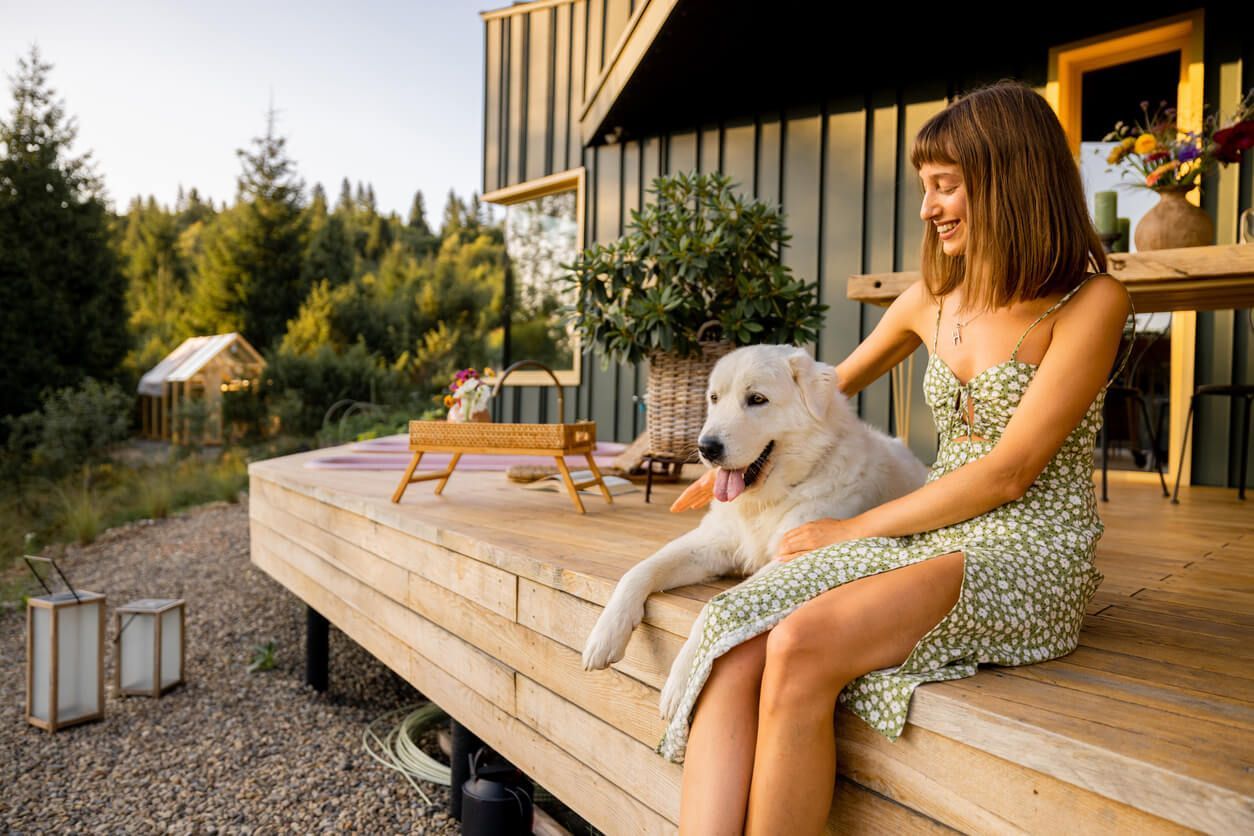
Pet friendly patio shade protects pets from heat and harsh sunlight. Learn how shades, tents, and cooling solutions create a safer outdoor space.
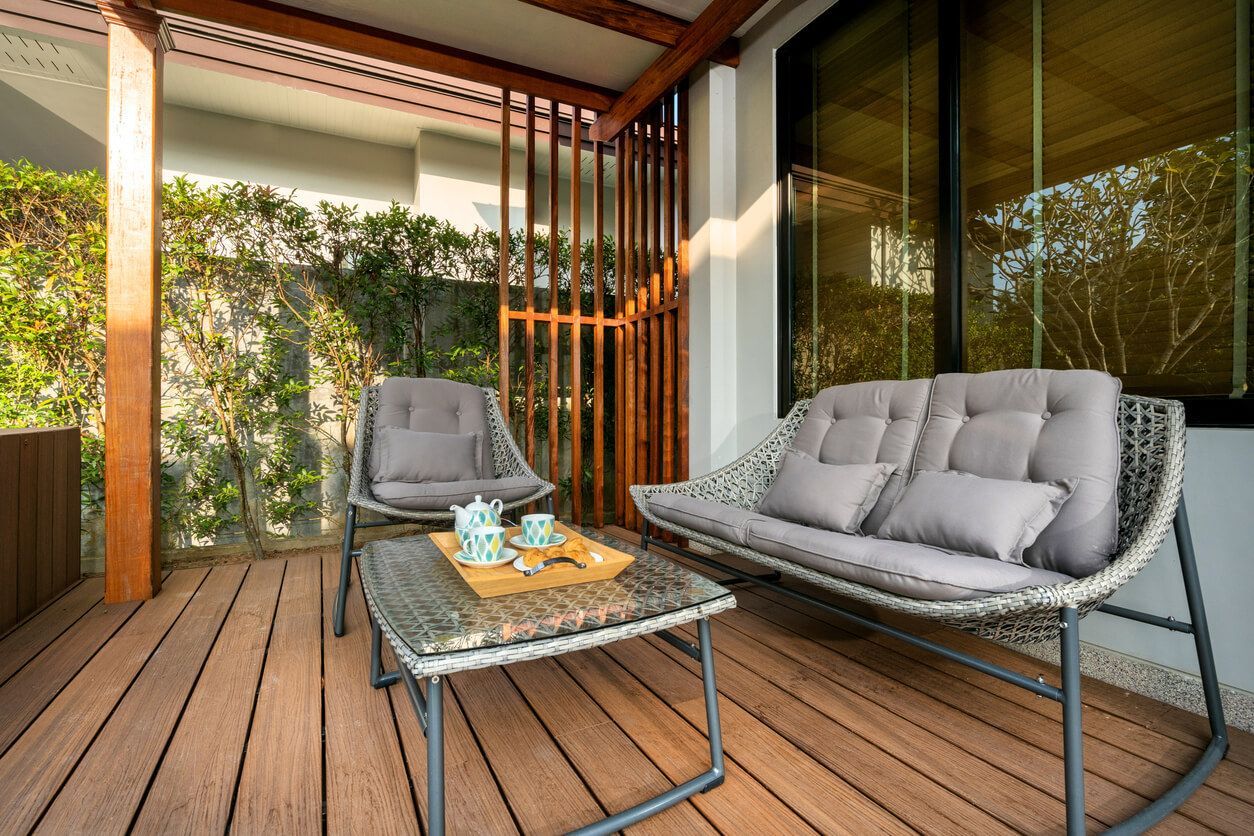
Sun protection for hardwood floors helps prevent UV fading and damage. Discover how shades, window films, and smart placement keep floors looking new.
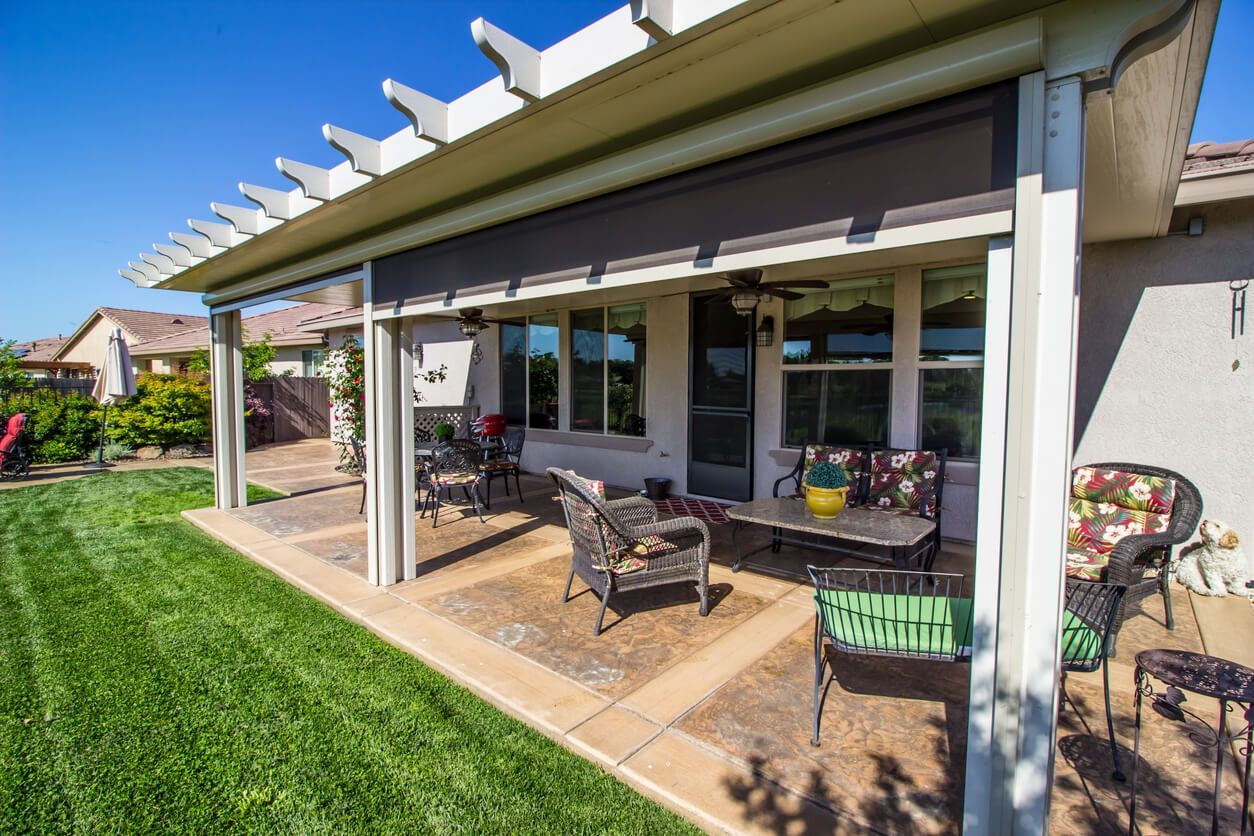
Discover why motorized patio shades are ideal for outdoor spaces easy control, UV protection, energy savings, and modern style for any patio.
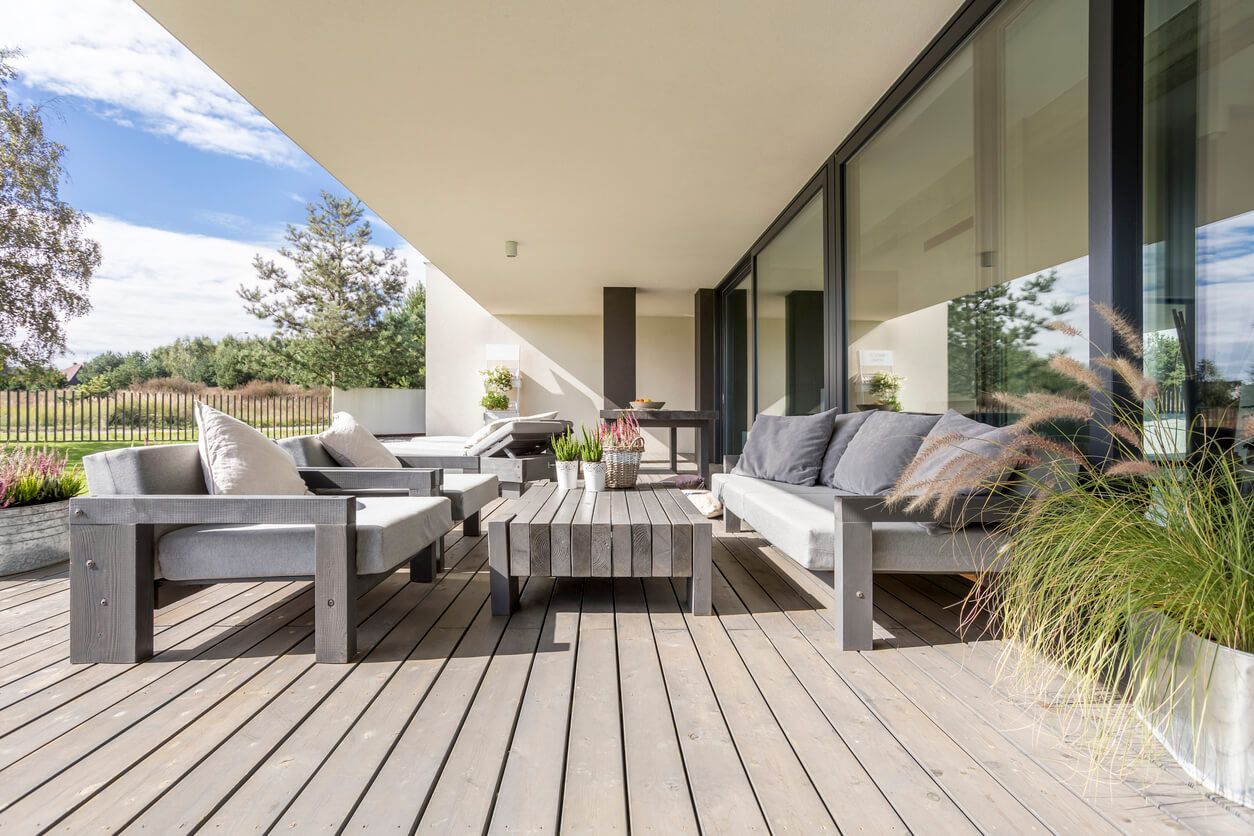
Learn how to protect outdoor furniture from sun, rain, and wind with smart covers, placement tips, and maintenance strategies that extend its life.
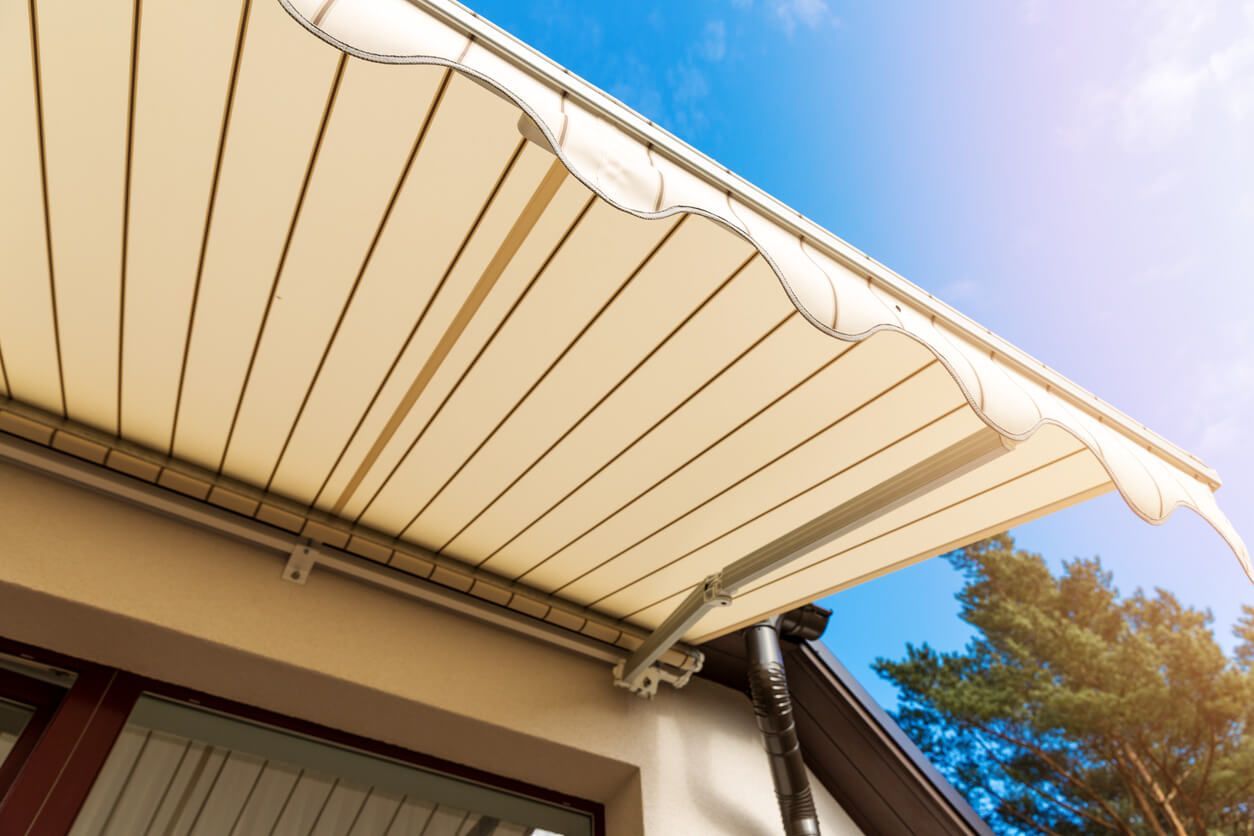
Discover the best patio awnings of 2026 with our complete buyer’s guide top types, features, pricing tips, and expert advice to choose the right awning.
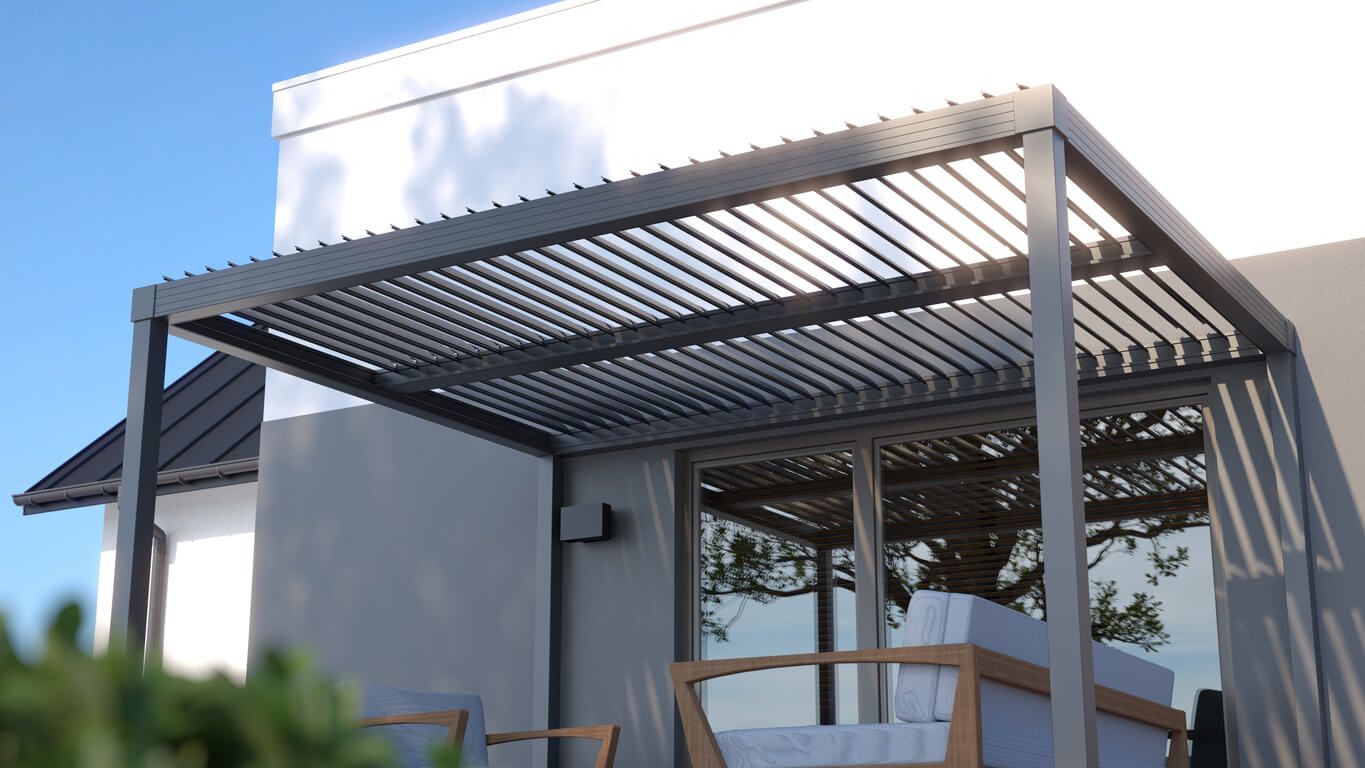
Compare awnings vs. pergolas cost, durability, style, and shade coverage to choose the best outdoor shade solution for your space.