
What to Consider Before Installing Motorized Outdoor Screens
Enhancing your outdoor living space can be one of the most rewarding home improvements you make. Motorized screens offer ultimate comfort by combining protection and convenience, whether your goal is to block harsh sun, keep bugs out, or shelter your patio or porch from unpredictable weather.
If you’re installing motorized outdoor screens for your house, careful planning and the right choices are essential for creating a comfortable, screened outdoor area that keeps pests out and enhances your space.
What Are Motorized Outdoor Screens?
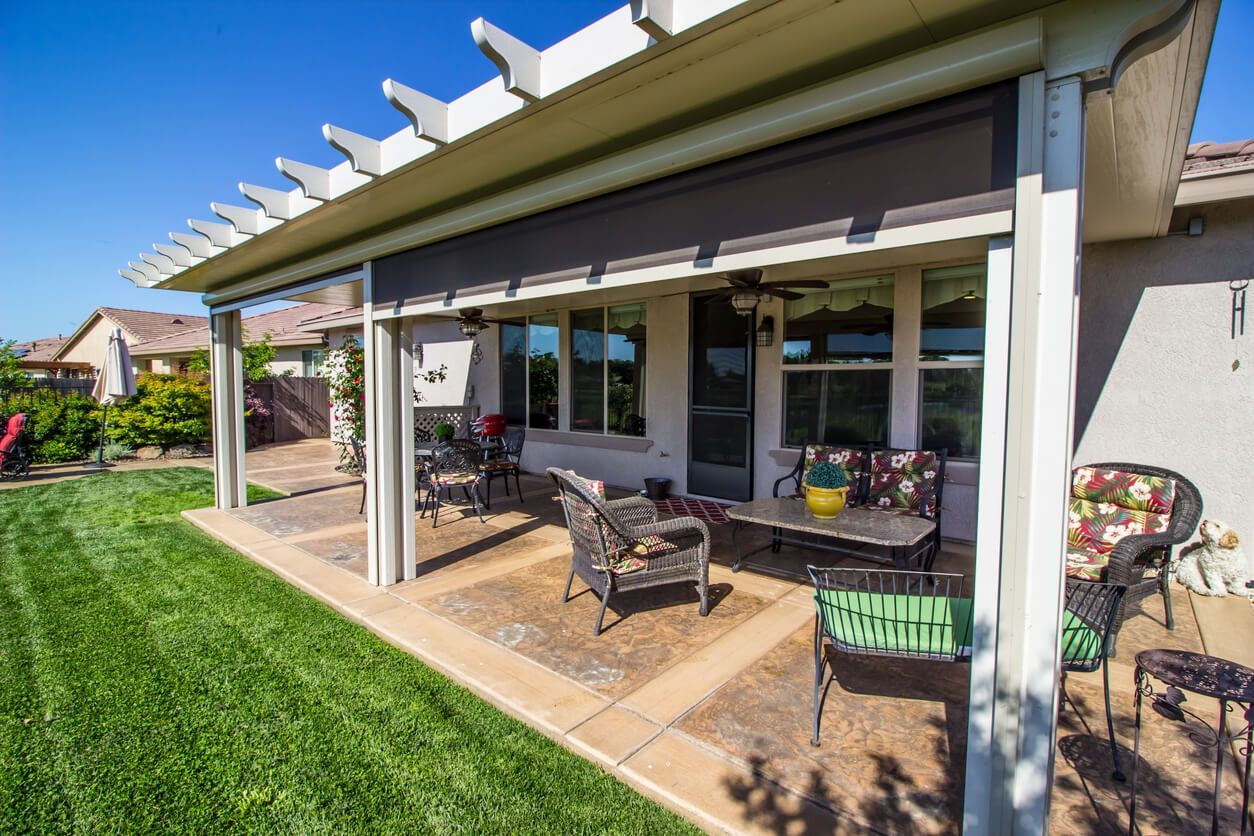
Motorized outdoor screens are advanced retractable systems designed to provide protection and comfort for your outdoor living spaces. With the push of a button, these screens can be easily operated, giving you convenient control over shade, privacy, and protection from insects and the elements. Ideal for patios, porches, and large openings, motorized screens enhance the functionality and enjoyment of your outdoor areas with convenience and style.
Things to Know Before Installing Your Motorized Outdoor Screens
Assess Your Outdoor Space and Needs
Begin by carefully evaluating the space where you want to install motorized screens. Ask yourself:
- Are you looking to cover a large opening, such as a wall-wide door or just a corner extension of your deck?
- Is your aim to enhance privacy, add shade, or enjoy a cool breeze and fresh air while keeping out pesky insects and pests? Consider choosing the right screening material for effective pest prevention and climate suitability.
- What style and coverage do you want for your patio, porch, or other outdoor area?
- Will the screen face direct sun or strong wind, and what’s the usual weather in your location?
Explore Motorized Screen Features and Types
There is a range of motorized and retractable screens tailored to the diverse needs of homeowners. You can personalize features and materials, and motorized screens can be designed to perfectly fit your unique outdoor area and specific needs. Choosing the right screen depends on what you want to achieve:
- Retractable Screens. Retractable screens are ideal for large openings or areas where you want flexible coverage. They allow you to expand or tighten your screen as needed, providing the best experience by letting in a breeze or fresh air while keeping bugs at bay.
- Engineered Screens for Durability. Look for frames and tracks made of weather-resistant materials such as aluminum to provide lasting durability. Choosing quality fabric is also important, as it can block UV rays, reducing heat and glare to provide ultimate comfort for your outdoor living space.
- Integrated Screen Features. Many motorized screens are compatible with smart home systems, so you can easily operate them using a mobile app or a remote control—even from the comfort of your seat as you enjoy the sunset. Features like wind and sun sensors enable automatic extension or retraction, maximizing protection from the elements with minimal effort.
- Fabric and Mesh Choices. The fabric you choose determines the level of light blocking, airflow, and privacy. Fine mesh screens are optimal for keeping bugs and insects out without sacrificing a breeze.
Project Planning: DIY vs. Professional Installation
Whether you should tackle your project depends on factors such as the structure involved, the size of the opening, and your experience with similar installations:
- DIY Project. Some retractable screens and motorized screen kits are suitable for skilled homeowners. Review the manufacturer's guides, double-check all measurements, and have a helper available for positioning large frames, especially in tight spaces.
- Professional Installation. For projects involving large openings, complex smart home system integration, or unique configurations (such as corner or extension setups), consider hiring an expert to ensure compliance with industry standards and warranty requirements.
Essential: Regardless of the method, always follow the manufacturer's instructions closely to protect your investment.
Key Benefits and Uses
When you install high-quality motorized outdoor screens or retractable screens, you’ll:
- Transform your outdoor living space into a relaxing, bug-free retreat.
- Create instant shade to reduce heat and UV damage on your furnishings.
- Enjoy more time outdoors without worries about bugs, debris, or sudden shifts in the weather.
- Boost your home’s style and luxury with screens that are barely noticeable when retracted.
- Adapt your patio or porch use to suit the season, opening for fresh air and a breeze or closing for protection.
Budget and Cost Considerations
When planning to install motorized or retractable screens, it’s essential to consider your budget and the total project cost. The cost will depend on factors like the dimensions of the opening, the types of materials you choose, and any extra features, such as integrating with a smart home system.
Measuring your space accurately and prioritizing essential features will help you make the best choice for your needs. While a DIY approach can save money on standard installations, professional installation often benefits complex or large projects by providing durability and a proper fit.
Maintenance Tips for Longevity
To maximize the life and looks of your outdoor screens:
- Periodically inspect the tracks and the surrounding area for any debris.
- Clean the fabric gently and clear dust and leaves from the corners.
- Check the motor and moving parts for smooth operation; lubricate as recommended.
- Test smart home system connections and replace batteries for remotes or backup power sources.
- After storms or high winds, maintain screen integrity by checking for any wear or damage.
Regular care maintains optimal functionality, protects from the elements, and preserves the attractive style of your outdoor living space.
Patio and Porch Screen Ideas to Enhance Your Home
Once you've decided to install motorized outdoor screens and considered the key factors, it's time to explore creative ideas to make the most of your new outdoor living space. Thoughtful design choices elevate both the functionality and aesthetic appeal of your patio or porch, making your screens protect your space while complementing your home's style.
- Integrate your motorized screens with your existing decor by selecting a fabric and frame color that complements your home’s exterior style.
- For maximum luxury and convenience, connect to your smart home system for scheduling and remote operation.
- Use retractable screens to create versatile zones. Open them up for a breeze and wide views, or close them for instant privacy or to block bugs and sun.
- Consider extending screens beyond patios to doors, gazebos, or balconies for consistent protection and functionality throughout your house.
Create Your Dream Outdoor Oasis: Call Shade Doctor Now!
Installing motorized outdoor screens enhances your outdoor living spaces by providing comfort and style, letting you enjoy the outdoors while staying shielded from wind, sun, and insects. Careful planning, accurate measurements, and selecting the right features create a seamless installation that enhances your home’s comfort and style. With proper maintenance, these screens provide lasting convenience and a bug-free environment for year-round outdoor enjoyment.
Don’t leave your comfort and peace of mind to chance—contact Shade Doctor today! Our expert team specializes in custom motorized outdoor screen solutions that elevate your patio, porch, or any outdoor area with style, convenience, and cutting-edge technology. At
Shade Doctor, we take pride in delivering personalized service, utilizing high-quality materials, and installing each project with precision to ensure a seamless fit for your home and lifestyle.